What Causes Dry Hands? 6 Habits That Make Your Hands Look Older Than You Are
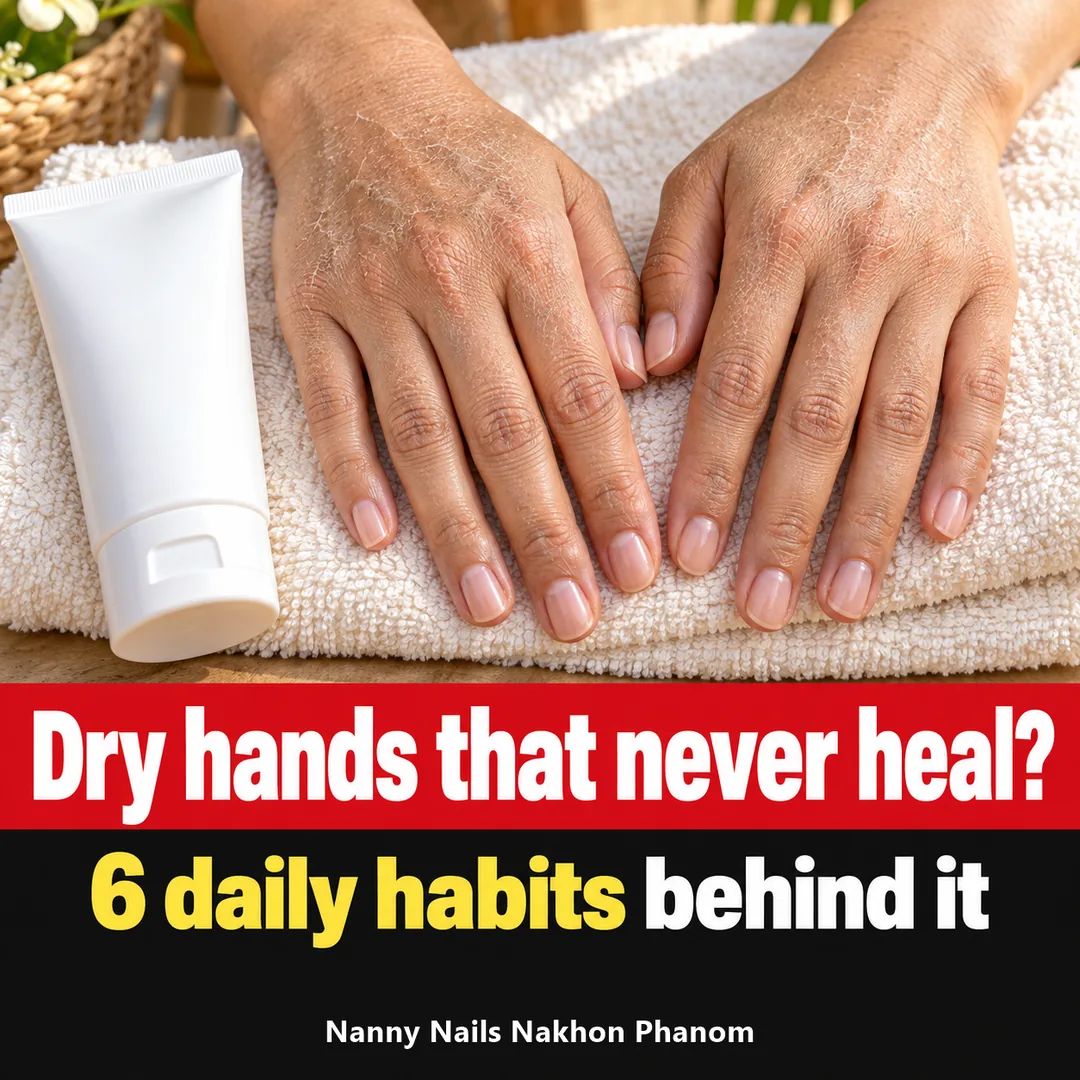
You have just had a new colour done. You hold your hand up next to your coffee for a photo, zoom in, and the nails look great, but the skin on the back of your hand looks dull and flaky, and the lines over your knuckles are much deeper than you expected. Dry hands like this rarely come down to age alone. Most of the time they come from small habits you repeat every day without noticing. This guide explains what causes dry hands, the 6 habits that make hands look older than they are, whether dry, cracked hands have anything to do with a vitamin deficiency, and when it is time to see a doctor.
The good news is that most dry hands can be fixed with things you already have at home. Your hands are the hardest-working part of your body. In one day they meet water, soap and sunlight dozens of times. Once you know which habits strip the moisture away and change them one at a time, skin that felt rough slowly comes back smoother and softer.
What causes dry hands?
The outermost layer of your skin works like a waterproof wall. It is coated with natural oils that stop the water inside your skin from evaporating. Hands get dry when that oily layer is washed away faster than your skin can replace it. The skin loses water, feels tight and rough, then starts to flake. Leave it long enough and small cracks open up along the knuckles.
Hands have it harder than the rest of your body. The palms have almost no oil glands at all, and your hands are the part of you that meets water, soap and sun most often. The main causes fall into four groups:
- Weather. Dry air, cold wind and air conditioning all day make skin lose water more easily. When the cool season arrives in Nakhon Phanom at the end of the year, many people notice their hands drying out straight away.
- Age. As we get older, the oil glands in the skin produce less oil. Women tend to notice it more after menopause, and skin finds it harder to hold on to moisture than it did when we were younger.
- Everyday habits. Hot water, harsh soap, housework without gloves, no sunscreen, the wrong kind of cream. This group is the part you can change yourself, and it is what most of this article is about.
- Health and skin conditions. Eczema, contact dermatitis, diabetes and kidney disease can all dry out the skin. If this is the cause, cream alone usually is not enough, and a doctor needs to find the root of it.
Your job matters too. People whose hands are wet or in contact with cleaning products all day, such as nurses, hairdressers and cleaners, often have drier hands than most. It is not that they look after their hands badly. Their hands simply face far more of the things that pull moisture out.
6 habits that dry out your hands and make them look older
As you read, count how many of these you do. People whose dry hands never seem to heal usually do several of them every day, and nobody has ever told them how each one pulls moisture out of the skin. Every habit comes with an easy swap.
1. Washing your hands in hot or very warm water
Hot water is very good at dissolving grease, both the grease on your plates and the oils protecting your skin. The hotter it is, the faster those oils go. Lots of people like washing their hands in very warm water on a cool morning, or run the hot tap to wash a greasy pan and leave their hands in it too. It feels nice at the time, but once your hands dry off they feel tighter than before.
Wash with comfortably warm water, not hot, and keep showers and baths to 5 to 10 minutes. The longer skin soaks, the more of its protective oil it loses.
Swap it for this: use room-temperature or just-warm water. If a job really needs hot water, let rubber gloves take the heat instead of your skin.
2. Drying your hands completely and putting cream on later
This is the most common habit of all. You wash your hands, dry them thoroughly, get on with something else, and only remember the cream once your hands already feel tight. Or you only put cream on once a day, at bedtime.
Cream works best while the skin is still slightly damp. Gently pat your hands so they stay a little moist, then applying cream straight away. The cream locks in the water still sitting on your skin. Wait until your hands are bone dry and that water has already evaporated. Rubbing hard with a towel also irritates skin that is already dry, so pat rather than rub.
Swap it for this: keep small tubes of hand cream by the sink, in your bag and next to your bed. Every time you wash, apply cream, and work it right to the fingertips and around the nails.
3. Using harsh soap or hand sanitiser and putting nothing on afterwards
Soap that foams up a lot and leaves your hands squeaky feels extra clean to many people. In reality, the oils on your skin have gone with the dirt. Some antibacterial cleansers are more drying than ordinary soap, and alcohol gels can strip a lot of moisture from the skin.
That does not mean you should stop washing your hands or give up sanitiser. Hygiene still matters. Just choose a gentle, fragrance-free soap, and once your sanitiser has dried, put hand cream on straight away.
Swap it for this: carry a small tube of cream with your sanitiser and use them as a pair, the same way brushing your teeth is always followed by rinsing.
4. Doing housework bare-handed: dishes, laundry, cleaning
Washing-up liquid is made to cut through grease. It cannot tell the grease on your plates from the oils on your skin. Laundry detergent and floor cleaner work the same way. The longer your hands sit in soapy water, the more of that protective oil disappears.
Frequent contact with water and with things like detergents and cleaning products as common triggers of hand eczema. Dry skin that is left alone becomes weaker and more easily inflamed.
Swap it for this: wear rubber gloves for every household job. For how to keep water out of your gloves, which washing-up liquid to choose and what water temperature to use, read Dry, peeling hands from washing dishes every day: how to look after them.
5. Wearing sunscreen on your face every day but never on your hands
This is the main reason hands look older than faces. Plenty of people put sunscreen on their face every morning, while the backs of their hands sit in direct sun every day: riding a motorbike, hanging out laundry, driving, or walking round the market in the late morning.
Sun on the backs of the hands leads to dark spots, rough skin and wrinkles. The brown spots people call age spots or sun spots usually come from years of sun exposure, and they show up most on the face, hands and arms. When skin is both dry and sun-damaged, the fine lines over the knuckles stand out even more.
Swap it for this: put sunscreen on the backs of your hands every morning. Choose a broad-spectrum, water-resistant sunscreen of SPF 30 or higher, all year round. If you are out in the sun for a long time, reapply after washing your hands. Sun gloves help too on a long motorbike ride.
6. Choosing the wrong kind of cream, or missing half your hand
A thin, nicely scented lotion in a pump bottle soaks in fast and is easy to use. But for very dry hands, creams and ointments work better and irritate less than lotions. Products in a squeeze tube or a tub are usually thicker than ones in a pump bottle.
Ingredients worth looking for include petrolatum, mineral oil, shea butter, olive oil and glycerin. Choose products labelled fragrance-free and dye-free, because skin that is already dry and cracked gets irritated more easily than healthy skin.
Another common slip is only rubbing cream into your palms and calling it done. The driest spots are the backs of the hands, the knuckles, the fingertips and the skin around the nails, and they usually get the least cream.
Swap it for this: squeeze out a pea-sized amount, start on the backs of your hands, work down over the knuckles, go round each nail, and do the palms last.
Why do dry hands look so much older than your face?
Many people take good care of their face every day, while their hands only get attention when they happen to remember. Put all the reasons together and hands become the first place age shows.
- Natural oil drops with age. Hand skin never had many oil glands to begin with, so it dries out even more easily as we get older.
- Years of sun. The backs of the hands get sun every day and almost nobody protects them, so dark spots and rough skin appear there first.
- Dry skin makes fine lines show. When skin lacks water, the small creases over the knuckles look deeper. Once it is well moisturised, the skin looks noticeably smoother.
- Nothing covers your hands. Your face has foundation, but your hands are on show as they are when you hold a glass, pass something over, or take a photo.
You cannot change your age, but you can change the other three. The easiest place to start is sunscreen on the backs of your hands in the morning and cream after every wash.
Dry, cracked hands: is it a vitamin deficiency?
A lot of people search for this. The short answer is that most dry, cracked hands come from what your hands meet on the outside, not from a lack of vitamins.
Some deficiencies really can dry out the skin. A lack of vitamin A or vitamin B6 can cause dry skin across the body, and a lack of vitamin B3 (niacin) causes a rash on sun-exposed skin, including the backs of the hands. But these conditions are uncommon in people who eat a normal diet, and they usually come with other symptoms, such as dry eyes or diarrhoea, not just dry hands.
People at higher risk of deficiencies include heavy drinkers, people who have had stomach or bowel surgery, people whose bodies do not absorb food well, and people who have eaten a very restricted diet for a long time.
What you should not do is buy high-dose vitamins and take them yourself to fix dry hands. Some vitamins, vitamin A among them, can be harmful in large amounts. If you think you might be deficient, have a doctor check your blood first and take what they recommend.
When should you see a doctor about dry hands?
Everyday dry hands usually improve once you change your habits. But if any of the following apply, seeing a doctor is a better move than buying yet another cream.
- The itching is bad enough to keep you awake or get in the way of your day.
- Your hands are red, swollen, hot, have pus, or you have a fever. This could be an infection.
- The cracks are deep enough to bleed, are painful, or are weeping.
- Small clear blisters appear on your fingers or palms.
- You have been looking after your hands properly and they are not getting better, or the problem keeps coming back.
- It flares up every time you touch something in particular, such as rubber gloves or a certain cleaning product. This may be contact dermatitis.
Hand eczema tends to get worse without treatment, so see a doctor if symptoms are persistent, keep coming back or are severe. A doctor can help find the cause, and the sooner you know, the sooner you can use your hands normally again.
A one-day routine for dry hands
You do not need expensive products. All you need is a tube of hand cream, sunscreen, rubber gloves and cotton gloves. The rest is making it a daily habit.
- Morning: put sunscreen on the backs of your hands when you do your face.
- During the day: wash with comfortably warm water and a gentle soap, pat dry lightly, and apply cream while your hands are still slightly damp.
- Housework: wear gloves every time, whether it is dishes, laundry or cleaning.
- Bedtime: put on a thick layer of rich cream with cotton gloves on overnight. Your hands feel clearly softer in the morning.
- Around the nails: use cuticle oil once a day so the skin around your nails does not flake and the nails stay less brittle.
- Air conditioning or cool season: if you have a humidifier, running it in the room helps.
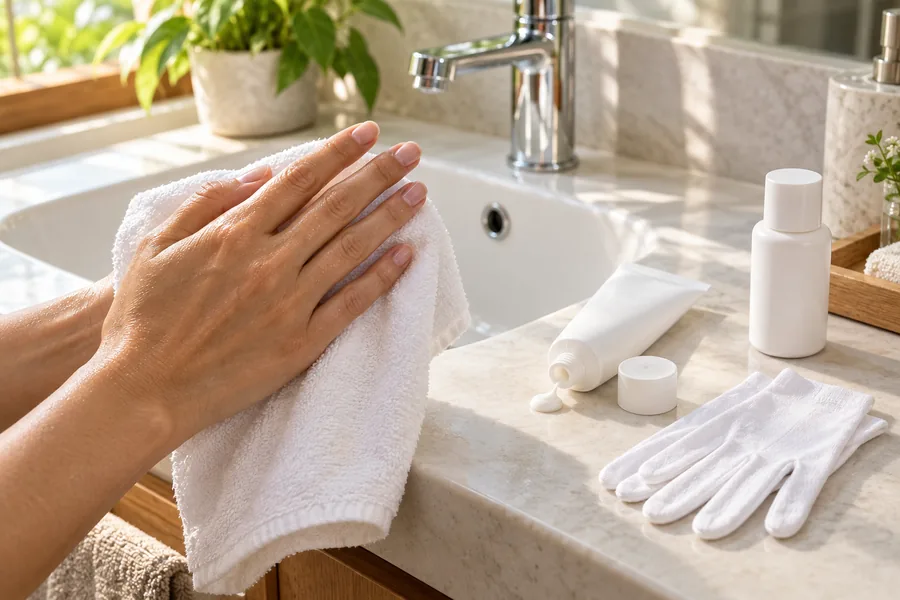
None of this takes extra time, because every step fits into something you already do each day. Only the timing changes. If your hands are so dry that your nails split or break easily too, read Brittle nails that split easily: causes and care.
When do dry hands show the most? In your nail photos
A nail photo is the picture that zooms in closest on the skin of your hands. However lovely the colour, flaky cuticles or dull skin on the back of the hand keep the photo from looking its best. That is why nail salons see hands closer up than anyone.
At our salon, when we clean up the nail area, we push the cuticle back first and then trim away only the excess skin. The edges look neat and the colour looks crisp, but the skin around the nails still needs care at home. A few small tips if your hands are dry and you are about to get your nails done:
- In the days before: use hand cream and cuticle oil every day. The skin around your nails softens, there is less flaking, and your photos come out better.
- On the morning of your appointment: do not put oil or cream on the nails themselves. Oil on the nail surface stops gel from gripping properly.
- After your manicure: go back to cream and cuticle oil as usual. Moisturised cuticles keep gel nails looking good for longer.
Colour helps too. Nude, soft pink and pink ombre sit close to your skin tone, so hands look clean and fingers look longer. Earth tones suit Thai skin tones easily as well. For more on choosing, read Nail colours that flatter your skin tone.
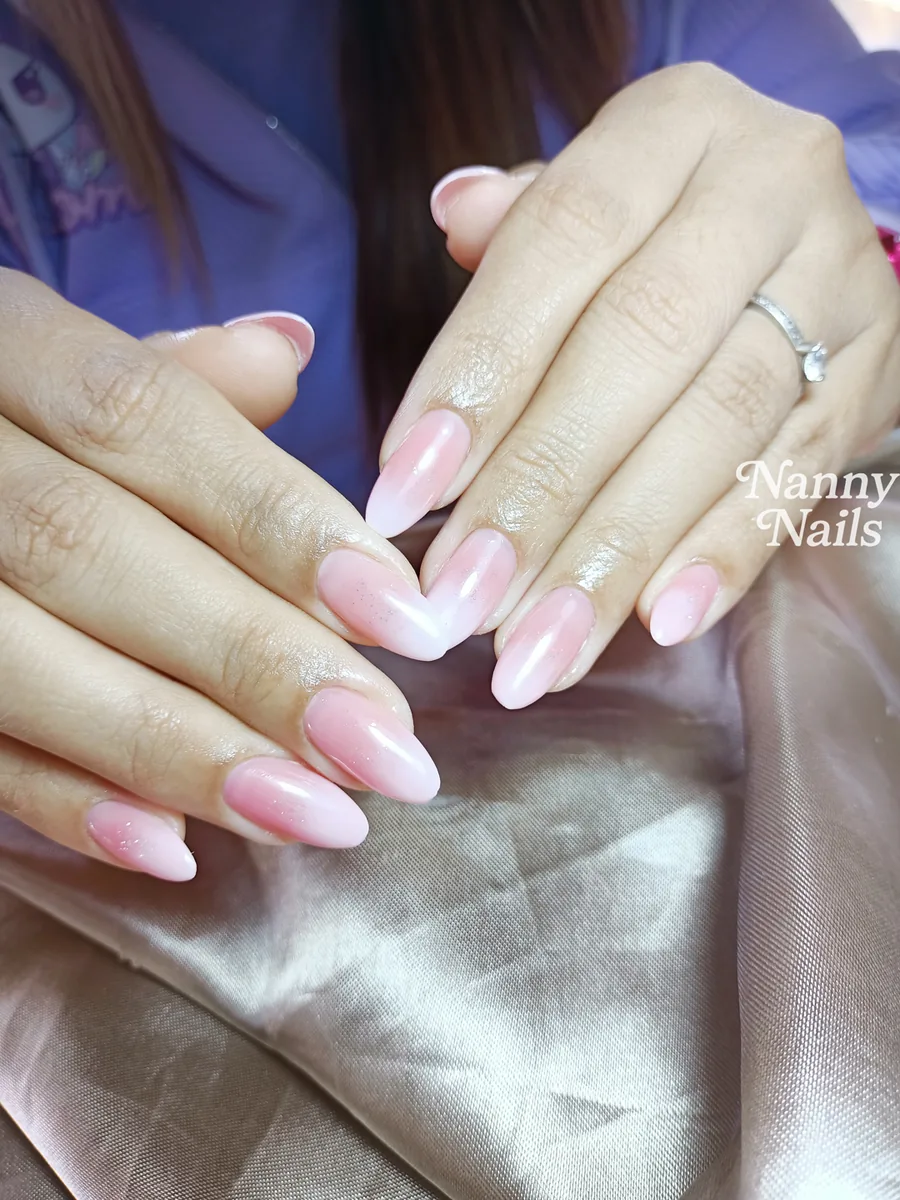
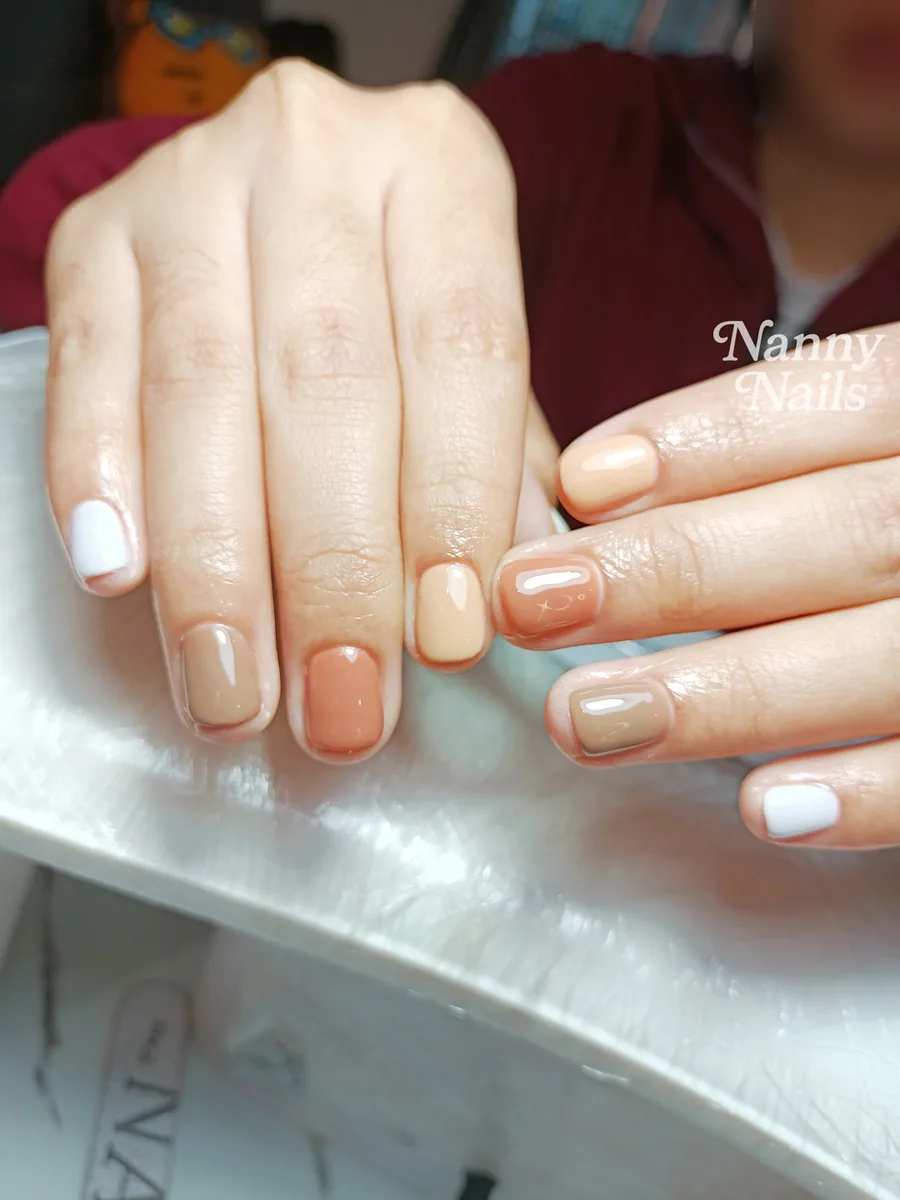
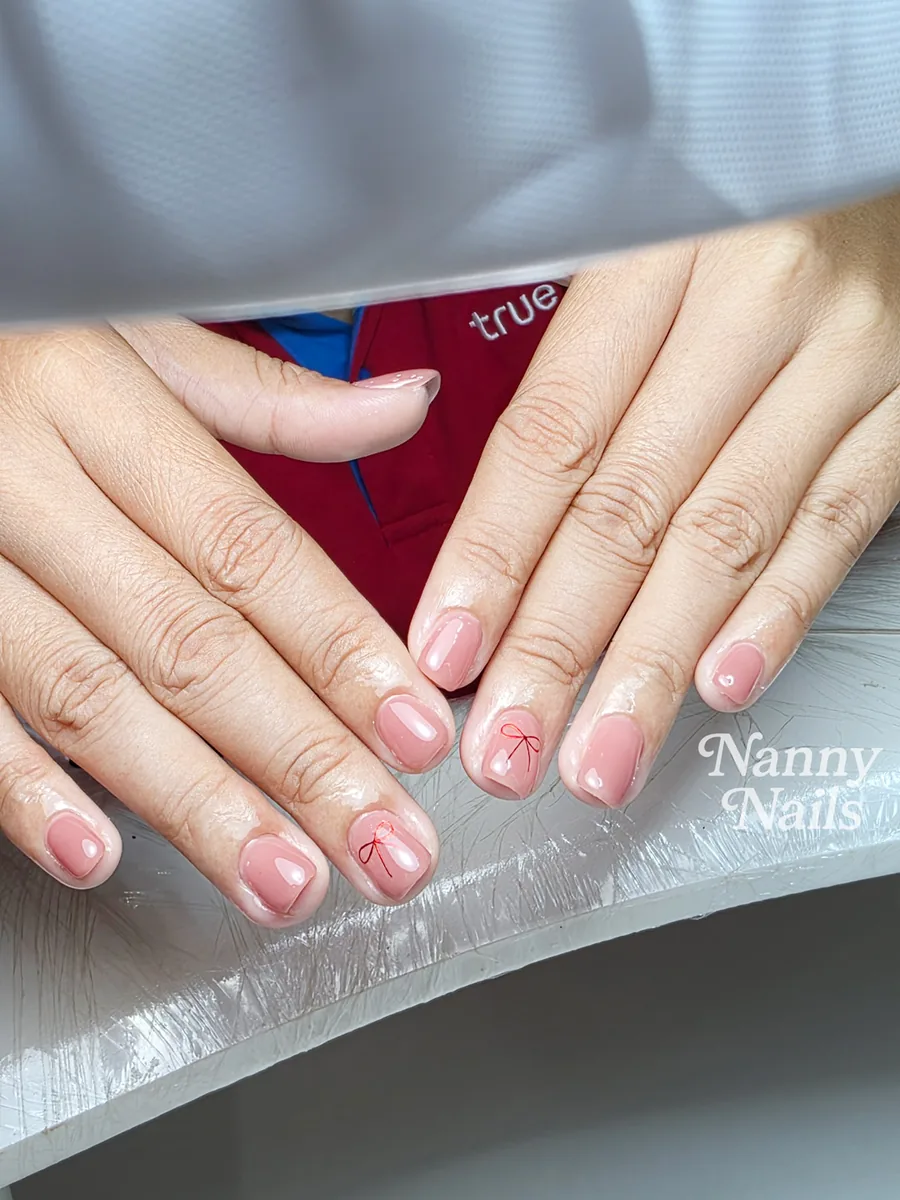
A gel colour on the hands costs 200 baht for one shade or 250 baht for 2 to 3 shades. Every set includes shaping, base coat and top coat, and every set is covered by our 7-day care period. If anything does not look right after your housework, just message us and we will take a look.
What customers say about our care
Real Google reviews of our salon, in the original Thai with a short English translation.
Read all our reviews on the reviews page.
Hands you are happy to hold up for a photo, any time
Picture holding up your new nails next to your coffee again. You zoom in and all you see is the colour you love, smooth skin on the back of your hand and neat, flake-free cuticles. All that changed was warm water instead of hot, cream after washing, sunscreen in the morning and gloves for the housework.
In the meantime, start picking your next colour in our nail design gallery. And if washing dishes every day has left your fingertips peeling, read the next step in Dry, peeling hands from washing dishes every day.
FAQ
What causes dry hands?
Mostly the natural oils that coat the skin being washed away faster than the skin can replace them: hot water, harsh soap, alcohol sanitiser, housework without gloves, dry air and getting older. For some people it comes from a skin or health condition such as contact dermatitis, diabetes or kidney disease.
My hands look old and dry. What can I do?
Start with sunscreen on the backs of your hands every morning, a rich cream straight after washing while your skin is still damp, gloves for housework, and a thick layer of cream with cotton gloves at night. Keep it up every day.
Are dry, cracked hands a sign of vitamin deficiency?
Usually not. A lack of vitamin A, B6 or B3 can dry the skin, but it is uncommon in people who eat normally and tends to come with other symptoms. If you are worried, ask a doctor for a blood test rather than taking high-dose vitamins yourself.
When is the best time to use hand cream?
Straight after washing while your skin is still slightly damp, after using hand sanitiser, and before bed. A thick, fragrance-free cream in a tube or tub works better than a thin lotion.
When should I see a doctor about dry hands?
If the itching keeps you awake, your hands are red, swollen, hot or have pus, the cracks bleed, you have blisters, they do not improve with proper care, or they flare up every time you touch a particular thing.
My gel nails lifted after housework. What should I do?
Do not pick or peel them off. Every set from our salon comes with a 7-day care period: if a nail lifts or peels within 7 days, bring it in and we will fix it for free. Wearing gloves for housework also helps your gel last longer.
Where is the salon and how do I book?
We are at Ban Noi Tai, Soi 7/1, Mueang Nakhon Phanom. We are open every day, with nail appointments from 09:00 to 18:00 and 3 bookings a day. Book on LINE @nannynails or call +66 99 002 8935.
Want a nail colour that makes your hands look fresh? Send us a photo of your hand
Send a photo of your hand, or a design you like, on LINE @nannynails. Tell us whether you lean towards nude, pink or earth tones, short or long nails, and we will suggest colours that suit your skin tone. We take just 3 bookings a day.
Read more