Peeling Cuticles That Hurt When You Pull Them: 5 Mistakes People Make With Their Cuticles
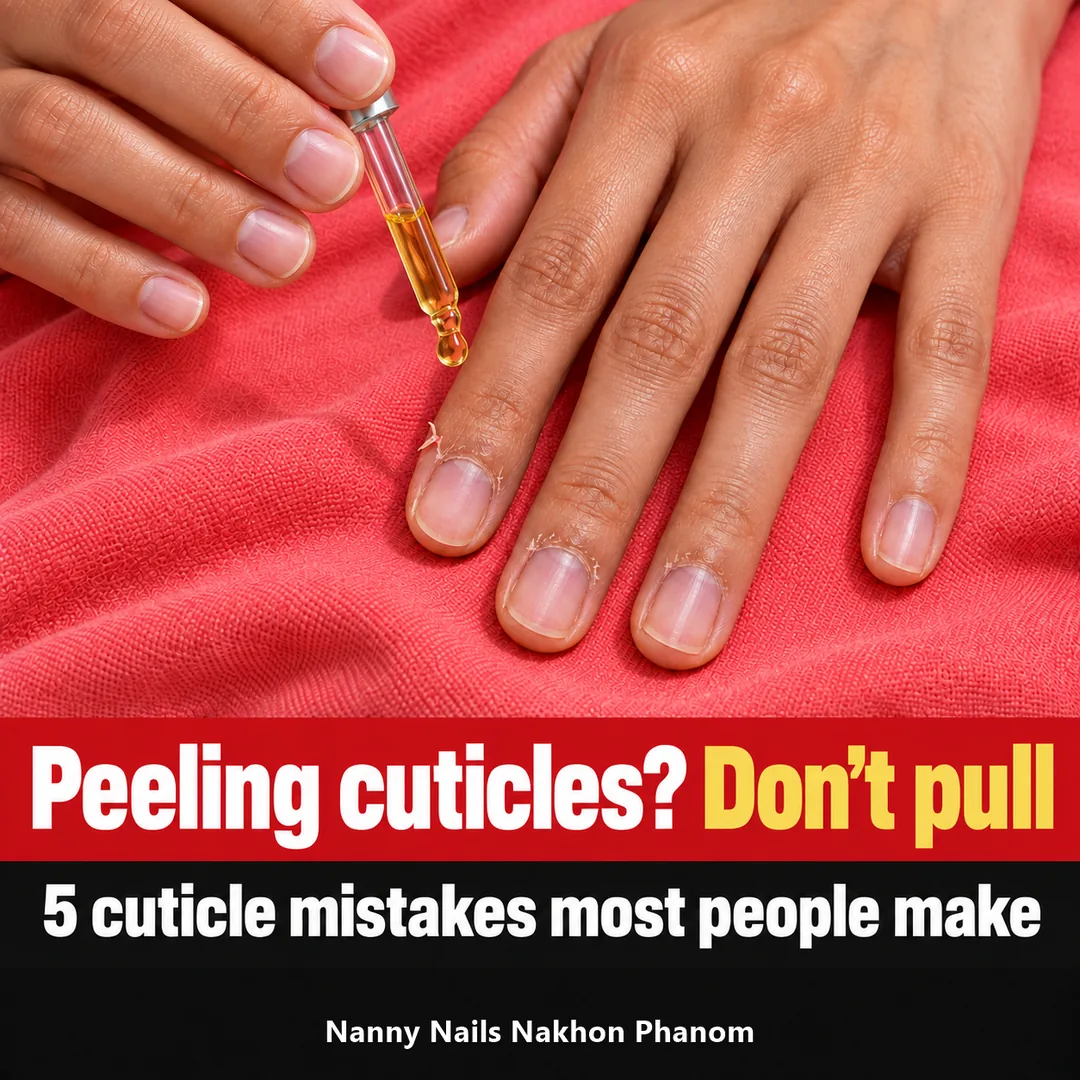
You are scrolling on your phone when your thumb catches a little flap of skin sticking out beside your index fingernail. You give it a small tug, expecting it to come away cleanly, and instead it tears further into the skin. A bead of blood, a sting that lasts all day, and two days later there is a new one. If that happens to you a lot, this guide explains why the skin around your nails peels, the 5 mistakes most people make without realising, how to deal with a hangnail without the pain, and the signs that mean it is time to see a doctor.
Peeling skin around the nails is a small thing that is surprisingly annoying. It is not dangerous on day one, but it stings every time you wash your hands, squeeze a lime or touch dish soap. And oddly, the harder you try to tidy it up yourself, the more often it seems to come back.
That is because several of the things we do to our cuticles out of habit are exactly what we always tell customers to stop doing. Once you know where it goes wrong, the fix is easier than you would expect, and most of it costs nothing.
Cuticle, nail fold, hangnail: what is the difference?
Before we get to the mistakes, it helps to know what each part of the skin around your nail actually does, because most of us lump it all together as cuticles.
- The cuticle is the thin layer of skin at the base of the nail, where the skin of your finger meets the nail plate. It works like a seal, keeping water, dirt and germs away from the nail root. The part sitting on the nail plate is skin that is no longer growing, while the living skin sits just behind it.
- The side nail folds are the edges of skin on either side of the nail. They are the part that dries out and cracks most easily.
- A hangnail is a small piece of dry skin that lifts up from the side or base of the nail, while one end is still attached to living skin. That is why it hurts so much when it catches. The skin around the nails has a lot of nerve endings, so even a tiny hangnail can hurt far more than its size suggests.
If you remember one thing, make it this: the cuticle is a barrier against germs, and a hangnail is dry skin that needs to be handled the right way. They need different care.
Why does the skin around your nails peel?
The common causes of hangnails are almost all part of everyday life:
- Very dry skin, especially in the cool, dry season
- Washing your hands very often, or using harsh soaps and sanitisers
- Wet work, like washing dishes or doing laundry by hand
- Swimming often in chlorinated pools
- Biting your nails or picking at the skin around them
- Knocks or small cuts near the nail
Notice that nearly every item comes down to dryness and the everyday wear your hands go through. If your whole hand feels dry too, read what causes dry hands, and if your hands peel after every round of washing up, there is a dedicated guide in dry, peeling hands from dishwashing.
5 mistakes people make with their cuticles
Nobody sets out to damage their own nails. Every mistake below starts with good intentions, wanting your hands to look neat, and ends up doing the opposite.
1. Pulling or biting off hangnails
Everyone does this, and it is the source of the pain in the title of this article. When you pull a hangnail, the tear does not stop at the dry piece of skin. It keeps going into living skin. We say plainly: do not pull off hangnails, because you may rip live tissue along with them. Biting is no better: the wound gets wet with saliva and germs have an easy way in.
Do this instead: trim it with clean cuticle nippers or nail clippers, close to the base of the hangnail, without pressing into the skin. The step-by-step method is in the next section.
2. Cutting your cuticles right off at home
Many people see the white skin at the base of the nail, decide it looks untidy, and cut it all away every time they trim their nails. It looks clean for a few days, then grows back thicker and tougher, and the cut edge splits into new hangnails easily.
More importantly than looks, the cuticle is a seal against germs. So do not cut or remove your cuticles at home, because if this skin is cut, bacteria can get in and inflame the nail fold, making it swollen, red and painful.
Do this instead: there is no need to cut your cuticles at home at all. Keep them soft with oil or cream. Moisturised cuticles lie flat against the nail on their own and look neat without any scissors. How cuticles are handled at a nail salon is explained further down.
3. Pushing your cuticles back hard while the skin is dry
Some people use another fingernail, a toothpick or the tip of their scissors to scrape and push back their cuticles while their hands are completely dry. Dry skin does not stretch, so when it is pushed hard it splits and tears, and becomes a brand new hangnail. Cutting or aggressively pushing back your cuticles can damage the skin around the nail and cause hangnails.
Do this instead: if you want the base of your nails to look smooth, you do not need to push them back every day. Applying oil before bed, regularly, works better. And never scrape the nail base with anything sharp or unclean.
4. Leaving your hands wet and in cleaning products all day
Washing dishes bare-handed, washing your hands and not drying them properly, using acetone nail polish remover often: each of these strips the natural oils from the skin around your nails. Skin that used to be soft turns tight, cracks and peels into hangnails. People who do a lot of housework, run a food stall, or wash their hands constantly are the ones who see this most. There is more about water and acetone in 6 everyday habits that damage your nails.
Do this instead: wear gloves for washing up and cleaning, dry your hands right into the corners of the nails every time, then put on hand cream straight away. If you need to remove nail polish, choose an acetone-free remover.
5. Moisturising your hands but never around the nails
Even people who already look after their hands miss this one. When we put on hand cream, we usually rub the backs of the hands and the palms, and the cream never reaches the edges of the nails. The skin around the nails dries out the fastest, yet gets the least moisture.
Do this instead: after applying hand cream, use your thumb to massage in small circles around the base and sides of each nail, one finger at a time. Before bed, put a small drop of cuticle oil at the base of each nail and massage it in. If you do not have cuticle oil, petroleum jelly or a thick hand cream works too. Make it a nightly habit and the skin around your nails stays softer, so hangnails catch far less often.
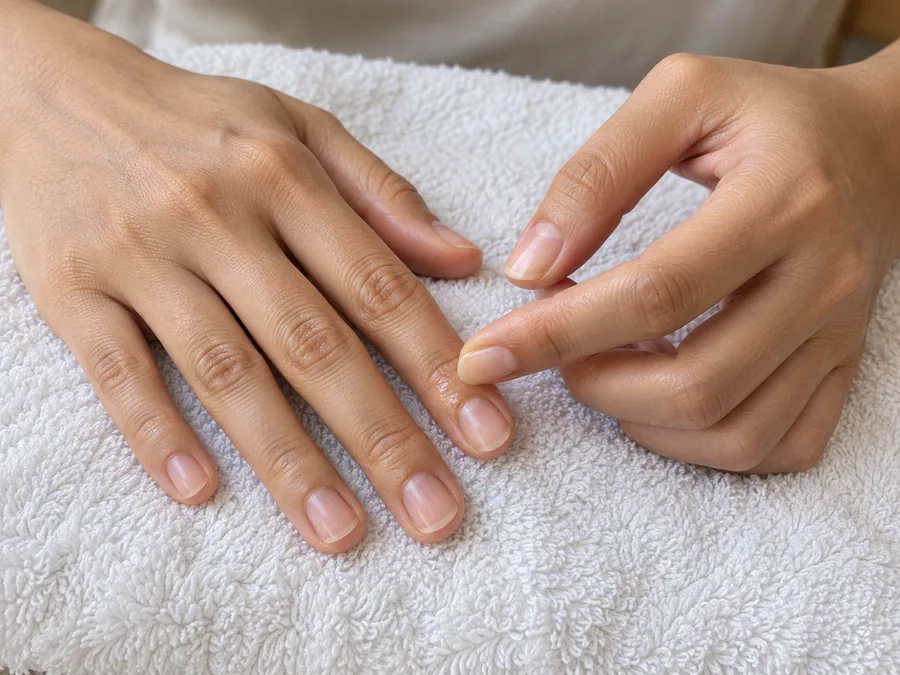
You already have a hangnail: how to trim it without the pain
This method takes less than 5 minutes.
- Wash your hands and wipe your cuticle nippers or nail clippers clean before you use them.
- Soak the finger in warm water for a few minutes to soften the skin, so the hangnail does not spring back or tear further when you cut it. Trimming right after a shower works just as well.
- Cut close to the base of the hangnail. Trim only the piece of skin that sticks out. Do not press the blades into the skin, and do not pull whatever is left.
- Moisturise straight away. If the spot is open, cover it with a plaster to keep dirt out.
If the hangnail is tiny and not catching on anything, you can simply leave it and keep it moisturised. Once it softens it stops catching and comes away by itself without any pain.
Should you cut your cuticles, and do nail salons cut them?
This is a very common question, and the honest answer is: at home, you do not need to. As mentioned in mistake 2, keep your cuticles as a seal against germs.
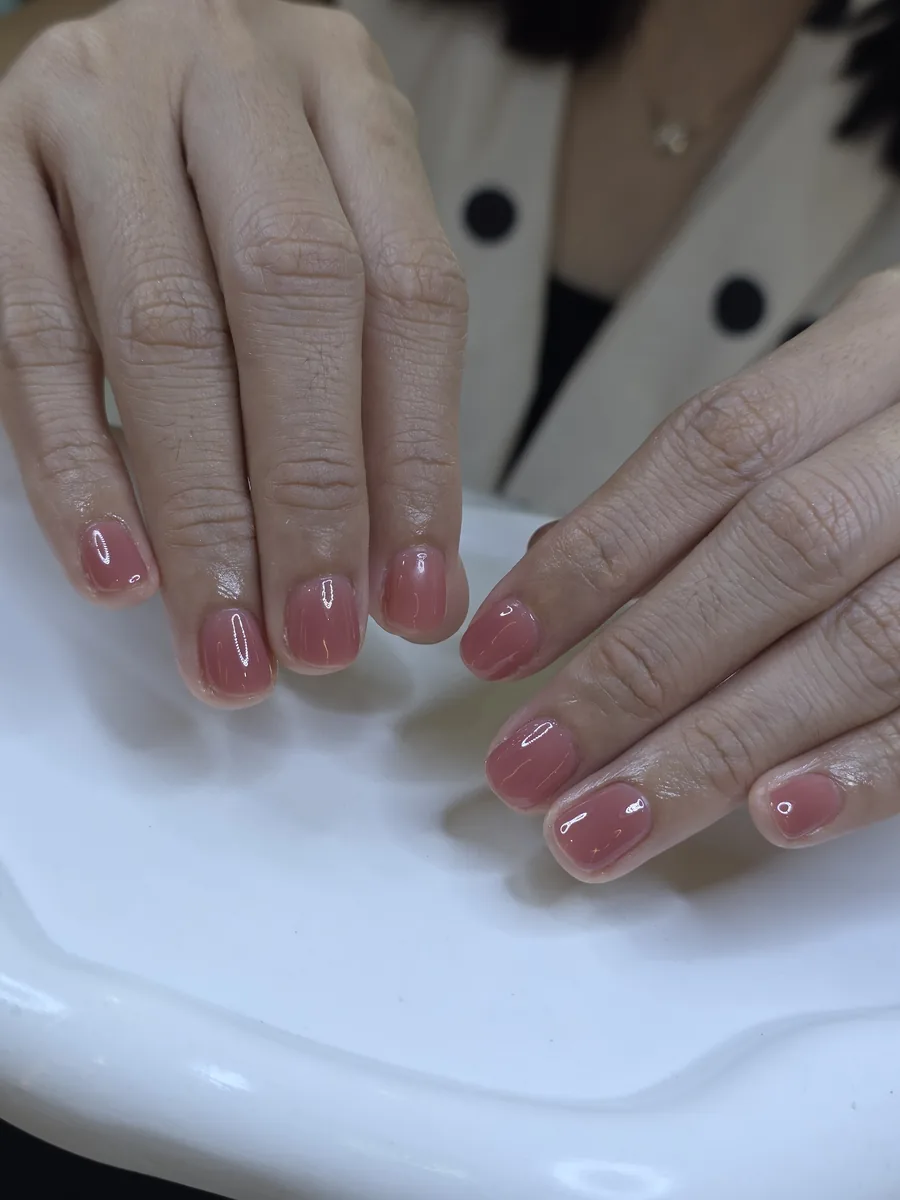
So what about nail salons? To be straightforward about it, at Nanny Nails clearing the nail before gel does involve trimming some skin. Our process is to push the cuticle back first, then trim only the excess skin that is still sitting on the nail plate. We do not cut the cuticle away completely. The reason is that if skin is left on the nail, the gel sticks to that skin instead of the nail and lifts at the base within a few days. In our nail artist's experience, gel that lifts at the base usually comes from a nail that was not cleared properly, or from colour painted past the edge of the nail onto the skin. Read more in why gel nails lift.
The difference is the purpose. At home we cut because we want the nail to look clean. At the salon, pushing back and removing the excess skin is one step of preparing the nail so the gel can grip. It happens once per set, not every week.
When to see a doctor
Most hangnails heal on their own with the right care. But if the skin beside the nail gets infected, it can turn into an inflamed nail fold, known as paronychia. These are reasons to see a doctor:
- The skin around the nail is swollen, red, warm and tender
- There is white or yellow pus under the skin beside the nail
- Symptoms are getting worse, or not improving within a few days
- A hangnail has become a wound that has not healed within a week
- You have diabetes, a bleeding disorder or a weakened immune system: see a doctor at the first sign of infection
Do not pierce, squeeze or pick at pus yourself, and leave any medicine to a doctor or pharmacist to recommend. This article is general information, not a diagnosis. We are a nail salon, not a clinic.
Small habits that stop the peeling coming back
Now that you know the 5 mistakes, think about an ordinary day for you and add these in one at a time. There is no need to do them all from day one.
- Keep hand cream next to the sink. You can reach for it the moment you finish washing, no need to remember.
- Keep cuticle oil by your bed. Apply it before sleep and the skin gets the whole night to recover.
- Carry small nail clippers in your bag. When you spot a hangnail you can trim it right away, instead of your fingers pulling at it.
- Wear gloves every time you wash up or handle cleaning products. This one habit helps both the skin and the nails.
- Moisturise more often in the cool season. Dry air makes the skin around the nails crack faster than usual.
- Cut your nails in the right shape. A rough nail edge snags the skin at the sides and makes it peel more often. The right way to cut is in cutting your nails wrong can lead to ingrown nails: the safe shape.
What cuticles have to do with gel nails
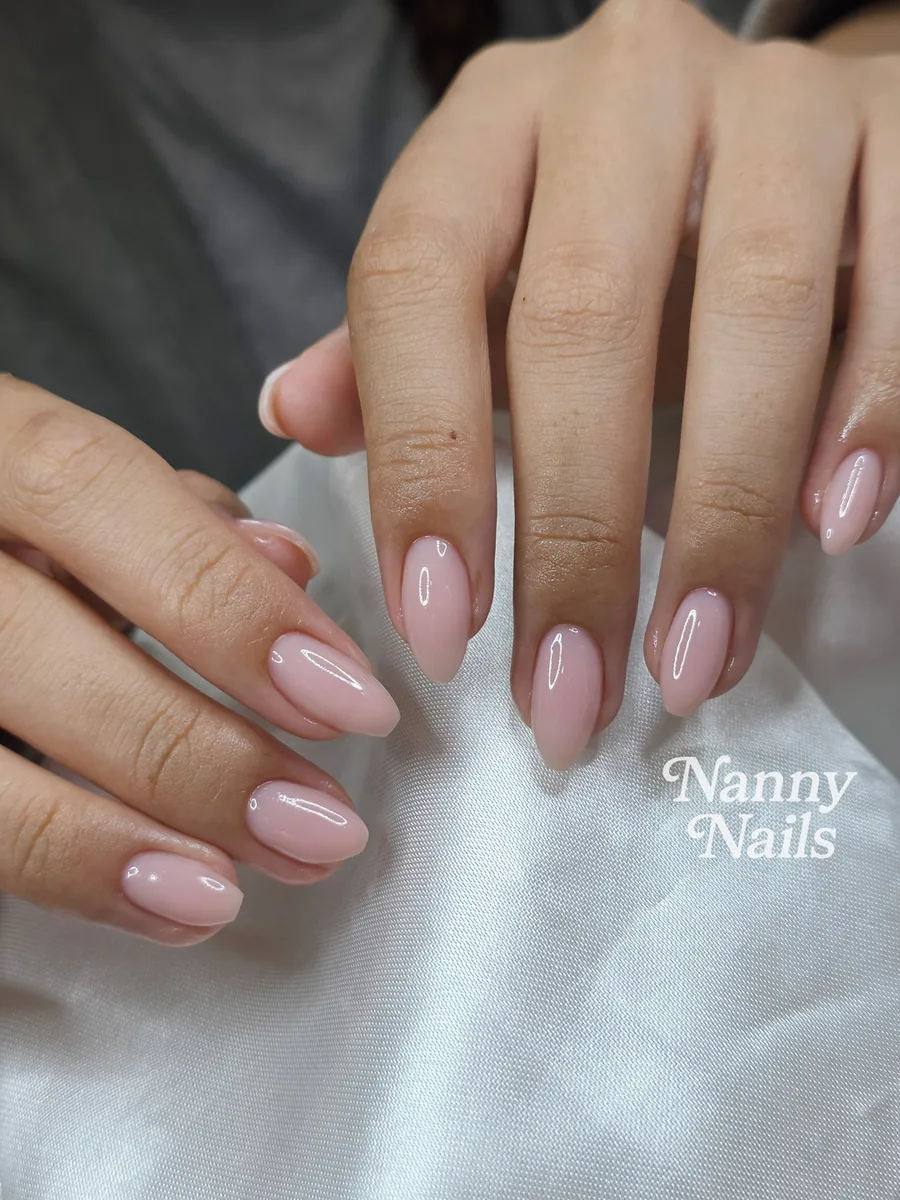
Soft, smooth cuticles make gel nails look much cleaner, because the line of colour at the base of the nail stays crisp and follows the shape of the nail. With peeling, ragged skin, no matter how lovely the colour is, the eye stops at the skin first.
While you have gel nails on, you can keep applying cuticle oil before bed as usual, and it keeps the skin around the nails looking good right up to your next colour change. Every set at our salon also comes with a 7-day care period, so if anything is not quite right, just message us and we will take a look.
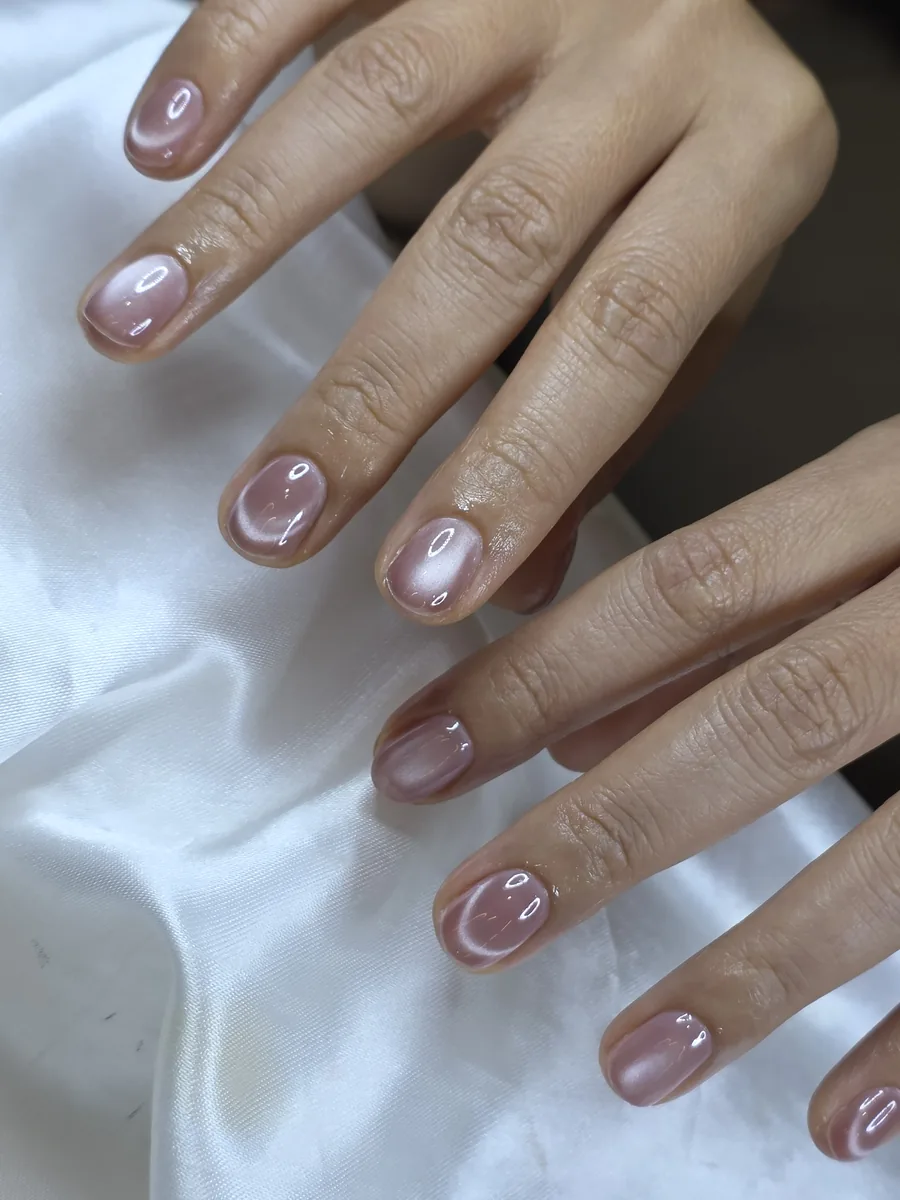
| Service | Price |
|---|---|
| Gel colour on hands, 1 colour | 200 baht |
| Gel colour on hands, 2-3 colours | 250 baht |
| Special colours: glitter, flash, pearl (hands) | 250 baht |
| French tips, ombre, cat eye (hands) | 400 baht |
Every price includes nail shaping, base coat and top coat. See the full menu on our services and prices page.
Hands that do not flinch after the washing up
Once you stop pulling, stop cutting your cuticles at home, and give the skin around your nails a little cream every day, hangnails gradually become rare enough that you almost forget about them. You can squeeze a lime without the sting, pick up the dish soap without tensing your fingers, and look at your hands without tucking your index finger into your palm.
If you want to see how nails with smooth cuticles look once the colour is on, browse our nail design gallery.
FAQ
Why does the skin around my nails peel?
Usually because of dry skin, frequent handwashing or harsh soaps, hands in water for long periods from dishes or laundry, dry cool-season air, and biting or picking at the skin around the nails.
Can I pull off a hangnail?
It is better not to. Pulling can tear living skin along with it, causing pain, bleeding and infection. Soften the skin in warm water, trim close to the base with clean clippers, then moisturise.
Should I cut my cuticles at home?
No need. Keep the cuticle because it seals out germs. Keep it soft with oil or cream instead.
Do nail salons cut cuticles?
At Nanny Nails our nail artist pushes the cuticle back first, then trims only the excess skin still sitting on the nail plate. It is part of clearing the nail so the gel grips the nail and does not creep onto the skin. If your skin is thin or very dry, tell us before we start.
When should I see a doctor about a hangnail?
If the skin around the nail is swollen, red, warm, has pus, is getting worse, or the wound has not healed within a week, see a doctor. People with diabetes or a weakened immune system should go at the first sign of infection.
What if my gel nails lift at the edge?
Do not pick at them. Every set at our salon has a 7-day care period. If an edge lifts or peels within 7 days, bring it back and we will fix it for free.
Where is the salon and how do I book?
We are at Ban Noi Tai, Soi 7/1, Mueang Nakhon Phanom. Nail appointments run from 09:00 to 18:00, 3 bookings a day. Book on LINE @nannynails or call +66 99 002 8935.
Want nails with neat cuticles and colour that stays off the skin?
Send a photo of your hands and a design you like on LINE. A plain colour or a design from our gallery both work. We will look at your nails and help you choose. We take just 3 bookings a day.
Read more